2026 Best Frozen Squid Ring Suppliers for Global Buyers?
Choosing the right Frozen Squid Ring supplier in 2026 requires more than comparing prices. Global buyers must examine product quality, processing controls, cold-chain reliability, and export experience. A low quotation can become expensive when rings arrive soft, broken, dehydrated, or poorly graded. Product details matter. Buyers should confirm squid species, origin, ring diameter, glazing percentage, net weight, packaging format, and storage temperature before placing an order.
Reliable suppliers usually provide traceable documentation, HACCP-based food safety systems, laboratory reports, and clear allergen information. Certifications such as BRCGS, IFS, or ISO 22000 may strengthen confidence, but certificates alone do not guarantee consistent shipments. Factory audits, sample testing, and recent customer references remain valuable. Ask for production photos, carton markings, loading procedures, and temperature records. Small details often reveal operational discipline.
This guide evaluates leading Frozen Squid Ring suppliers for international purchasing teams. It considers factory capability, private-label support, minimum order quantities, response speed, pricing transparency, and destination-market experience. Some suppliers may appear strong on paper yet perform unevenly during peak seasons. That risk deserves attention. Weather, harvest variation, port delays, and changing freight costs can affect availability. Buyers should compare several samples and clarify claims in writing. The “best” supplier depends on your market, not on a single ranking. A restaurant distributor may prioritize portion consistency, while a seafood importer may focus on container efficiency and flexible payment terms. Careful verification still matters. Always.
What Frozen Squid Rings Are and How the Global Market Works
2026 Best Frozen Squid Ring Suppliers for Global Buyers?
What Frozen Squid Rings Are and How the Global Market Works
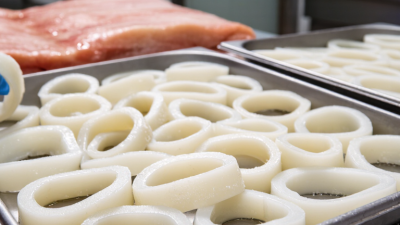
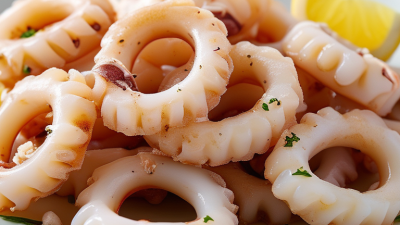
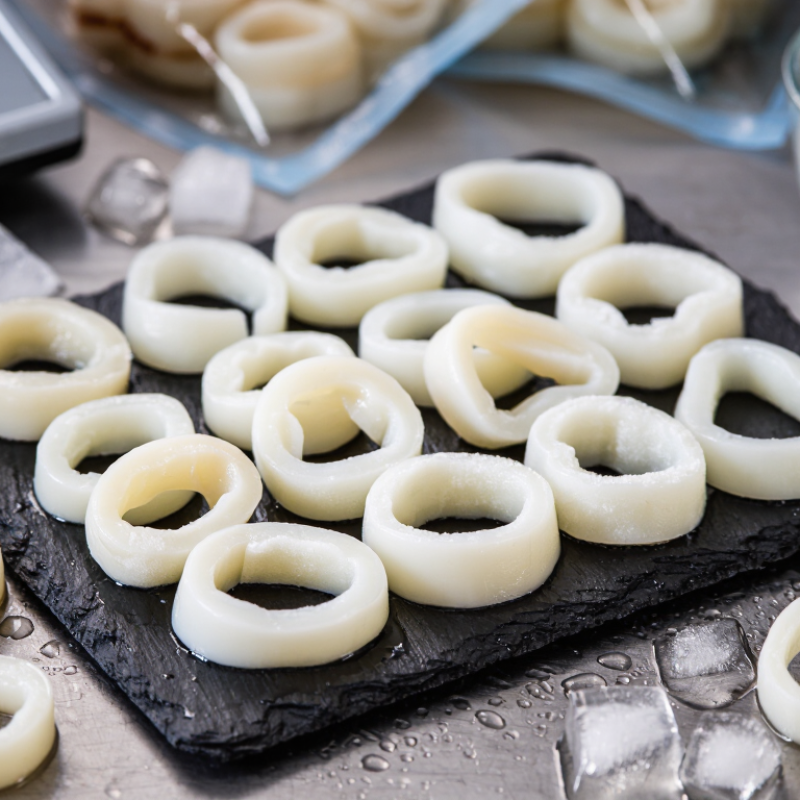
Frozen squid rings are cleaned squid tubes cut into even, ready-to-cook pieces. Processors usually blanch, glaze, and freeze them soon after landing. Their texture depends on species, cutting thickness, freezing speed, and storage temperature. Rings may arrive in blocks or individually quick frozen packs. Buyers should compare net weight, glaze percentage, size count, and drained yield. A low price can hide heavy ice or excessive trimming.
The global market follows fishing seasons, port capacity, freight costs, and restaurant demand. FAO’s State of World Fisheries and Aquaculture 2024 reported 185.4 million tonnes of global fisheries and aquaculture production in 2022. Cephalopod supply forms only one part of this total, yet its prices can move sharply after poor landings. UN Comtrade data under HS 030743 can help track frozen cuttlefish and squid trade flows. However, customs classifications may differ between markets. That limitation deserves attention.
Tips: Request a recent product specification and a lot-specific laboratory report. Check microbiological results, glazing, additives, catch area, and production date. Ask for temperature records from factory to port. A sample carton should be opened and weighed. It is simple, but often revealing. Supplier audits remain useful, though no audit replaces independent inspection. Ecolabel claims also need verification, not polite assumptions.
How to Identify Reliable Frozen Squid Ring Suppliers in 2026
How to Identify Reliable Frozen Squid Ring Suppliers in 2026
Reliable frozen squid ring suppliers should provide clear product specifications before discussing price.
Ask about squid species, catching area, ring diameter, glazing percentage, net weight, and processing date. A professional supplier can explain whether the rings are natural or chemically treated. Vague answers are warning signs.
Request recent certificates for food safety systems, export eligibility, and laboratory testing.
Check whether test results match the exact production lot, not an old sample. Traceability should connect the carton to a vessel, processing facility, and packing date. Cold-chain records also matter. A frozen shipment should remain consistently frozen, with no soft edges or heavy ice buildup. Request photos of cartons, labels, pallets, and temperature monitors.
Order a small sample before signing a large contract.
Cook it simply, then check odor, texture, shrinkage, and excess water in the pan. Ask how claims are handled when cartons arrive damaged or weights differ. Strong suppliers answer in writing and provide practical timelines. Communication matters.
Price can mislead.
Very low offers may hide poor glazing control or inconsistent sizing. I would also review payment terms carefully, because trust is not proven by certificates alone. Even experienced buyers can miss seasonal quality changes. That risk deserves a second inspection, especially when the supplier has limited shipment history.
Key Quality, Processing, and Food Safety Standards to Check
2026 Best Frozen Squid Ring Suppliers for Global Buyers
Reliable frozen squid rings require more than an attractive price. Buyers should verify the species, harvest area, processing date, ring size, and glaze percentage. Each detail affects yield, taste, and cooking performance. The product should remain solidly frozen at -18°C or below throughout storage and transport.
Processing controls deserve close attention. Suppliers should operate documented HACCP systems and follow recognized food safety standards, such as ISO 22000 or equivalent schemes. Ask for recent microbiological, heavy metal, and additive test reports. Check allergen controls, water quality, sanitation records, and metal detection procedures. Traceability should connect each carton to a production lot and harvest source. A certificate alone is not proof of every shipment.
Tips: Request a pre-shipment sample and inspect thaw loss, odor, color, texture, and ring uniformity. Compare the declared net weight after removing glaze. Confirm whether preservatives or sulfites are used, then check destination-market labeling rules. Keep temperature data from loading to delivery. Small gaps often reveal larger weaknesses. Buyers should also question results that look unusually perfect. Independent testing may cost more, but it can expose inconsistent batches before they reach customers.
How Pricing, Packaging, and Cold-Chain Logistics Affect Buying
2026 Best Frozen Squid Ring Suppliers for Global Buyers?
How Pricing, Packaging, and Cold-Chain Logistics Affect Buying
A low quotation rarely shows the complete buying cost. Frozen squid rings may be priced by net weight, gross weight, or glazed weight. Buyers should request a clear specification before comparing offers. Glaze percentages can change the real seafood yield. A cheaper carton may contain more ice and less squid. That mistake is surprisingly common.
Packaging affects both protection and labor. Individual quick freezing helps rings separate during kitchen preparation. Strong inner bags reduce freezer burn and leakage. Export cartons should show net weight, lot number, production date, and storage temperature. Smaller cartons may cost more, but they can reduce thawing during repeated handling. I have found that carton size matters most when buyers serve restaurants or smaller distributors. Bulk packaging still works better for high-volume processors.
Cold-chain control can decide whether a profitable order arrives in usable condition. Frozen squid rings should remain at -18°C or below during storage and transport. Temperature records, container pre-cooling, and loading checks deserve written confirmation. A single port delay can weaken texture, even when the product looks acceptable outside. Ask suppliers for realistic transit plans, not optimistic schedules. Independent temperature data can support quality claims, though it cannot repair damaged seafood. Pricing comparisons should include freight, insurance, inspection, storage, and possible port charges. One assumption deserves review: the fastest shipment is not always the safest choice. Sometimes, a slower route with reliable monitoring protects the purchase better.
A Practical Framework for Comparing and Selecting Suppliers
2026 Best Frozen Squid Ring Suppliers for Global Buyers?
A Practical Framework for Comparing and Selecting Suppliers
In 2026, frozen squid ring sourcing requires more than a low offer. FAO’s The State of World Fisheries and Aquaculture 2024 reported 185.4 million tonnes of aquatic animal production in 2022. About 89% entered human food channels. Demand is measurable, but supply quality remains uneven.
Start with product identity. Confirm squid species, harvest area, processing date, ring diameter, count per kilogram, glazing percentage, and net weight. Ask for a recent specification sheet and production sample. A carton may look clean while rings contain excessive ice or broken pieces. This is where practical inspection matters.
Compare suppliers through documented evidence. Review traceability records, cold-chain logs, microbiological testing, and independent social or food-safety audits. The FAO and WHO Codex Alimentarius provide useful reference points for hygienic handling and frozen seafood controls. Check whether the supplier can trace one carton back to a vessel, farm, or approved processing site.
Use landed cost, not invoice price. Include glazing loss, inspection fees, inland transport, customs handling, and possible rejection costs. Request three shipment references with delivery performance. Procurement teams should also compare payment terms and corrective-action procedures. A certificate file is helpful, but it is not proof of daily discipline.
I have learned that supplier questionnaires often reward polished answers. Unannounced verification is harder. Ask how temperature excursions are recorded, who approves substitutions, and what happens after a failed test. Some suppliers may not answer perfectly. That uncertainty deserves a lower rating, not an automatic rejection.
2026 Best Frozen Squid Ring Suppliers for Global Buyers
Practical framework for comparing suppliers by the factors that most directly affect product safety, landed cost, delivery reliability, and long-term supply continuity.
The percentages represent a buyer-side evaluation model totaling 100 points. Buyers can score each supplier against documented evidence such as HACCP or equivalent food-safety controls, product specifications, export records, cold-chain procedures, quotations, minimum order quantities, and lead-time performance.