Top Tips for Buying Frozen Fish Balls Globally
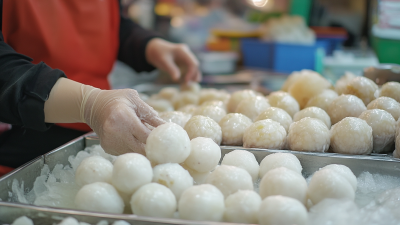
Frozen Fish Balls have become a popular choice for many households around the world. These savory delights are not only convenient but also versatile in meal preparation. Whether used in soups, stir-fries, or as snacks, their appeal is undeniable.
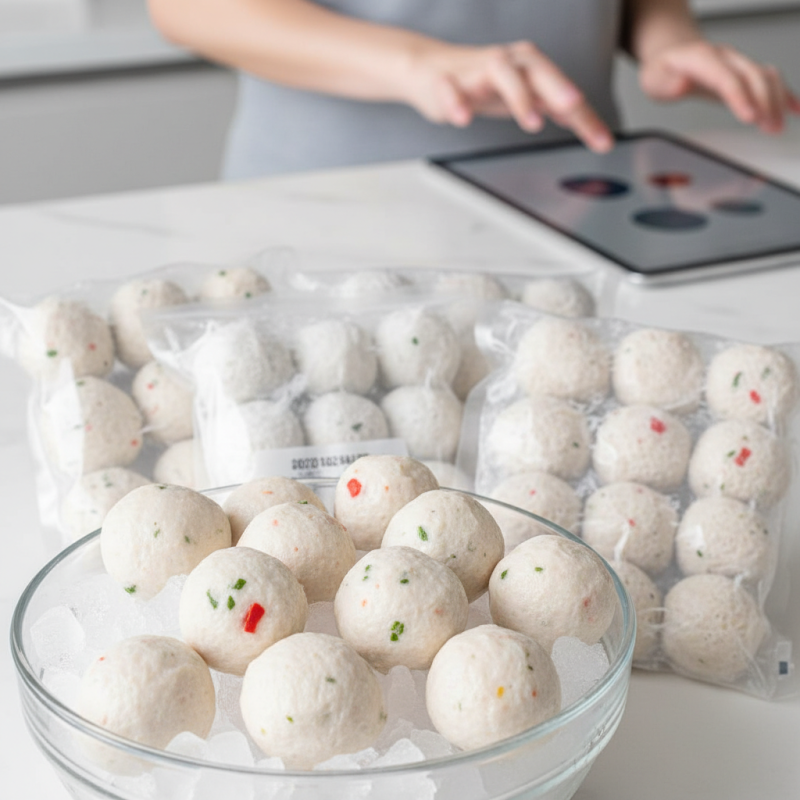
When buying Frozen Fish Balls, quality is key. Look for products with clear labels that specify the fish source. Freshness is crucial, so check for expiration dates. Packaging should be intact and free from any damages. These factors can significantly impact flavor and texture.
However, navigating the market can be tricky. Many brands boast excellent taste, but not all deliver on their promises. It's advisable to read reviews and seek recommendations from culinary experts. This creates a pathway to reliability in your purchases. Keep an open mind, and be ready to explore different brands and varieties.
Understanding the Global Market Dynamics for Frozen Fish Balls
The global frozen fish ball market is evolving rapidly. In 2022, the market reached a valuation of approximately $10 billion. Experts predict a compound annual growth rate (CAGR) of 5.6% from 2023 to 2028. Such growth stems from increasing demand for convenient and ready-to-eat food options. Health-conscious consumers prefer fish balls as they are often lower in fat than meat alternatives.
Key markets are emerging in regions such as Asia-Pacific and North America. Countries like Japan and the Philippines are significant contributors. Traditional dishes include fish balls, leading to higher consumption rates. Meanwhile, North American consumers are increasingly drawn to Asian cuisine influences. However, supply chain disruptions and fluctuating fish prices pose challenges.
Quality and sourcing are critical in this industry. Buyers should seek suppliers with certifications and transparent sourcing practices. It's essential to assess the freshness and ingredients used. Traceability is vital for quality assurance. Not every supplier offers consistent quality, making research crucial. Understanding market dynamics helps buyers navigate this competitive landscape effectively.
Top Tips for Buying Frozen Fish Balls Globally
| Region |
Market Size (USD Million) |
Growth Rate (%) |
Key Ingredients |
Popular Types |
| North America |
250 |
5.5 |
Pollock, Cod |
Fish Balls, Fish Cakes |
| Asia-Pacific |
700 |
7.0 |
Mackerel, Shrimp |
Fish Balls, Fish Tofu |
| Europe |
300 |
4.0 |
Haddock, Flounder |
Classic Fish Balls, Gourmet |
| Latin America |
150 |
6.0 |
Tilapia, Catfish |
Spicy Fish Balls, Fried |
| Middle East |
100 |
3.5 |
Fish Paste, Spices |
Traditional Fish Balls |
Key Factors Influencing Quality in Frozen Fish Ball Production
When considering the quality of frozen fish balls, several key factors come into play. The freshness of the fish is critical. Fish should be sourced from reputable suppliers who adhere to strict quality controls. Quality directly influences taste and texture. A good fish ball should have a firm yet tender bite.
Processing methods also matter. Traditional hand-making methods often yield better results than mass production. Artisanal approaches can enhance flavor and maintain the fish's natural characteristics. A careful balance of ingredients is essential. Too many fillers can compromise the final product’s integrity.
Packaging plays a role, too. Airtight seals preserve freshness during transportation and storage. Look for clear labels that list ingredients and expiration dates. Research suggests that transparent practices boost consumer trust. While many brands claim high quality, not all can deliver. Exploring local markets can reveal hidden gems that might surpass global options. It’s worth investigating various sources to find the best, even if it takes time.
Quality Factors in Frozen Fish Ball Production
Assessing Nutritional Value: Comparing Frozen Fish Balls from Different Regions
When purchasing frozen fish balls, nutritional value is crucial. Different regions often produce fish balls with varying ingredients and nutritional profiles. For instance, a report by the Seafood Nutrition Partnership indicates that fish balls sourced from Asia tend to have higher omega-3 fatty acid content due to the types of fish used, such as mackerel and sardines. These fatty acids have proven health benefits, including heart health support.
Conversely, fish balls made in Europe may focus more on leaner fish, which can lead to lower fat contents but also less omega-3. A study published in the Journal of Food Science found that certain European fish balls had significantly less protein compared to their Asian counterparts. They scored lower on overall nutritional density. As consumers, understanding these differences is vital for making informed choices.
Examining ingredient lists is essential. Products can vary greatly. Some may include fillers that dilute nutritional benefits. Others might have added preservatives that could affect health over time. This is a reflection of the industry’s need for balance between cost and quality. A report from Food Quality & Preference emphasizes that transparency in ingredient sourcing is increasingly important for consumers seeking nutritional integrity.
Consumer Trends and Preferences Shaping the Frozen Fish Ball Industry
Consumer preferences significantly influence the frozen fish ball market. People are increasingly seeking convenience without sacrificing quality. With busy lifestyles, frozen fish balls offer an easy meal solution. They are versatile, fitting into various cuisines, which adds to their appeal.
To buy high-quality frozen fish balls, consider checking the packaging for freshness. Look for clear expiration dates. A good freeze line indicates proper storage during transport. Pay attention to the ingredient list; fewer additives often mean better quality.
Additionally, research consumer trends in different regions. For instance, Asian markets often prefer fish balls with spices. In contrast, Western consumers might favor milder flavors. This diverse interest shapes product offerings. Listen to customer feedback; it can guide innovative improvements. Embrace these insights, as they can enhance your purchasing decisions.