Why Choose Frozen Surimi Sticks for Your Business Needs?
Frozen Surimi Sticks have gained significant traction in the seafood industry over the past decade. According to a report by ResearchAndMarkets, the global surimi market is projected to reach approximately $4 billion by 2025, with frozen surimi products holding a substantial share. This growth reflects the rising consumer demand for convenient and healthier protein options.
These sticks offer versatility, allowing businesses to create diverse menu items that appeal to various tastes. The preparation process involves a careful blend of fish proteins and seasonings, resulting in a product rich in flavor yet low in calories. Data from the National Fisheries Institute indicates that the average American's seafood consumption is increasing, pointing to a greater willingness to explore innovative seafood products like Frozen Surimi Sticks.
However, quality control remains critical. Some products may contain fillers or preservatives that compromise their nutritional value. Businesses must prioritize sourcing high-quality surimi to build trust with consumers. As you consider incorporating Frozen Surimi Sticks into your offerings, reflecting on these elements will ensure a competitive edge in the evolving market landscape.

Benefits of Using Frozen Surimi Sticks in Food Businesses
Frozen surimi sticks have become a popular choice for food businesses. They offer a versatile ingredient that can enhance various dishes. According to industry reports, the global surimi market is expected to grow at a compound annual growth rate of 3.8% from 2021 to 2028. This trend indicates a strong demand for quality seafood alternatives and highlights the potential for frozen surimi products.
One significant benefit of using frozen surimi sticks is their consistency in quality. They are produced from fish that is processed quickly after catch, preserving taste and freshness. This method allows businesses to maintain uniformity in texture and flavor, which is critical for customer satisfaction. Additionally, these sticks are an excellent source of protein, containing about 25 grams per 100 grams serving. For many consumers, this nutritional value makes them an attractive option.
Cost efficiency is another essential factor. Utilizing frozen surimi sticks can reduce food waste significantly. Chefs can defrost only the amount needed, minimizing spoilage. However, it’s essential to develop recipes that truly showcase their flavor. While some chefs may find them challenging due to texture adjustments, those willing to experiment can create engaging menu items. Embracing frozen surimi sticks can lead to innovative dishes and attract a broader customer base.
Understanding the Nutritional Value of Frozen Surimi Sticks
Frozen surimi sticks offer a unique nutritional profile that can benefit various businesses. These sticks are primarily made from fish, processed to enhance their taste and texture. Rich in protein, they serve as a valuable source of energy. Businesses looking for healthy menu options can confidently opt for these sticks, appealing to health-conscious consumers.
In addition to protein, frozen surimi sticks contain vitamins and minerals. They are low in fat, making them a smart choice for those monitoring their calorie intake. The fiber content is not significant, but it can still aid in digestion. These nutritional aspects make surimi a versatile ingredient. However, some people may have allergies to seafood, which should be considered.
Taste is critical for customer satisfaction. Although surimi sticks can mimic the taste of seafood, they may not satisfy everyone’s palate. Some may find them lacking in flavor compared to fresh seafood options. Businesses must weigh these factors when incorporating them into their product lines. Overall, understanding the nutritional value of frozen surimi sticks can guide smarter decisions in the food industry.
Why Choose Frozen Surimi Sticks for Your Business Needs? - Understanding the Nutritional Value of Frozen Surimi Sticks
| Nutritional Component |
Per 100g |
| Calories |
95 kcal |
| Protein |
15 g |
| Fat |
1 g |
| Carbohydrates |
12 g |
| Sodium |
500 mg |
| Calcium |
40 mg |
| Iron |
1 mg |
Cost-Effectiveness of Frozen Surimi Sticks for Restaurants
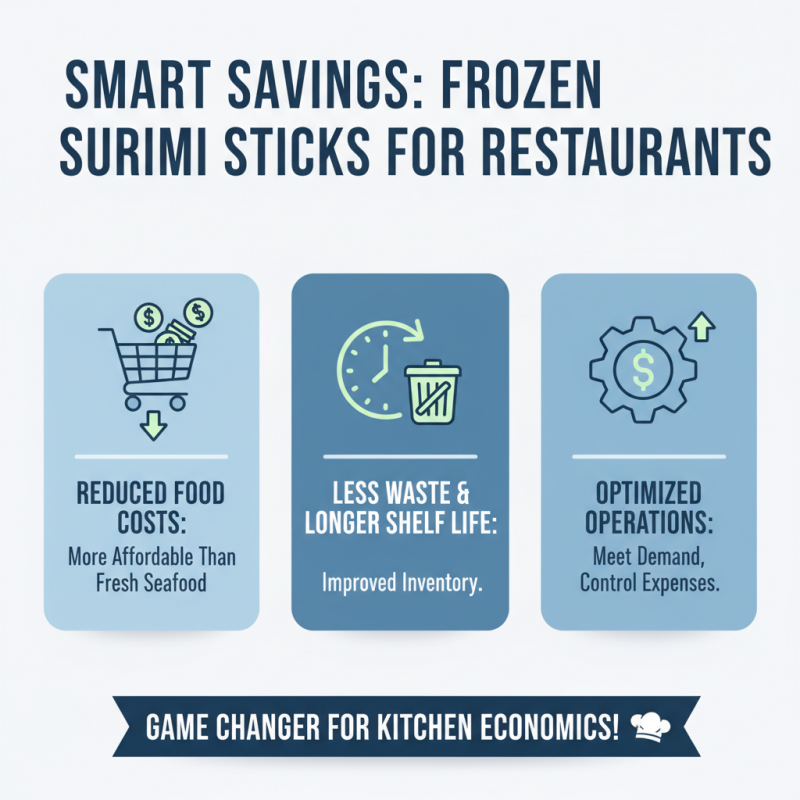
Frozen surimi sticks offer a practical solution for restaurants looking to optimize costs. These products are often more affordable than fresh seafood. They have a longer shelf life, reducing waste and improving inventory management. Many kitchens face the challenge of meeting customer demand while controlling expenses. Surimi sticks can be a game changer.
The production process for frozen surimi sticks relies on fish paste, which provides versatility. They can be used in various dishes, from sushi rolls to salads. This adaptability allows chefs to explore different culinary creations without overshooting their budget. Moreover, their consistent quality ensures that customers receive a reliable product every time.
However, some restaurants might question the perception of quality associated with frozen options. There’s a risk that customers may perceive them as inferior. Yet, with proper preparation and creative presentation, these sticks can shine on any menu. The key lies in educating staff about the product. This awareness can turn a potential weakness into a strength. Continuing to innovate with frozen surimi sticks could lead to unique offerings that keep patrons returning, thus embodying both cost-effectiveness and culinary creativity.
Versatility of Frozen Surimi Sticks in Menu Development
Frozen surimi sticks are gaining popularity in menu development. Their versatility makes them ideal for various dishes. Restaurants and foodservice providers appreciate their ease of use. These sticks can fit into appetizers, entrees, or even salads. They can be grilled, fried, or used in soups. This flexibility allows chefs to experiment with flavors and presentations.
When developing your menu, think creatively. Combine surimi sticks with tangy sauces for dipping. Incorporate them into sushi rolls or pasta. Serve them on skewers with vegetables for a colorful platter. The possibilities are endless. Pair them with different spices to cater to diverse tastes.
Tip: Consider seasonal themes when creating dishes. For the summer, you might use fresh herbs and citrus. In the winter, rich sauces and warming spices might work best. Always balance texture and flavor when planning your menu. Keep experimenting until you find the perfect combinations. Remember, feedback from customers can guide your adjustments. Keep refining your offerings for ideal results.
The bar chart above illustrates the popularity of frozen surimi sticks in various menu categories. Sushi leads as the most popular application, followed by main courses and appetizers, showcasing their versatility in menu development.
Sustainability Aspects of Sourcing Frozen Surimi Sticks
The sustainability aspects of sourcing frozen surimi sticks are increasingly vital in today's food industry. Surimi, a processed fish product, is primarily made from white fish, like pollock or hoki. According to the Food and Agriculture Organization (FAO), sustainable fish sourcing is crucial. Over 34% of global fish stocks are overfished, indicating a need for responsible sourcing practices.
When companies choose frozen surimi sticks, they often prioritize fisheries that are certified by recognized sustainability programs. These certifications ensure that the fish are sourced from well-managed stocks. In addition, the production of surimi utilizes fish that may otherwise go unused. This reduces waste in the seafood industry. A report from the Marine Stewardship Council shows that certified fisheries contribute to restoring fish populations.
However, not all surimi products are created equal. Transparency in the supply chain is essential. Companies must verify that their suppliers adhere to sustainability standards. There can be gaps in compliance, leading to potential environmental impacts. A commitment to continuous improvement is necessary. By choosing frozen surimi sticks, businesses can take steps toward ethical sourcing while addressing customer demand for sustainable seafood options.