How to Cook Frozen Squid Flower for Delicious Meals?
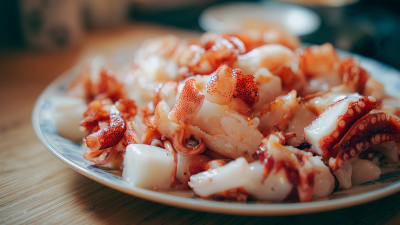
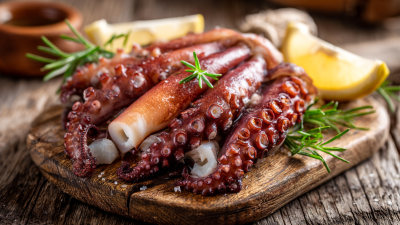
Cooking with Frozen Squid Flower can unlock a world of delicious possibilities. This unique seafood offers a delicate flavor and a chewy texture, making it an exciting addition to meals. Many people feel intimidated by preparing frozen seafood, often afraid it might turn out poorly. However, with a bit of practice, you can master the art of cooking Frozen Squid Flower.
When thawing and preparing Frozen Squid Flower, attention to detail matters. Thaw gradually in the refrigerator for best results. If you rush this process, the texture may suffer. You can slice the squid into rings or prepare it whole, depending on your dish. Experimenting with various marinades can enhance its natural taste.
Preparing this seafood may seem daunting at first, but persistence pays off. Practice makes perfect. Don't hesitate to try different cooking methods, from grilling to stir-frying. Each approach brings out unique flavors. Soon, you'll find yourself creating mouth-watering dishes that impress your family and friends.
How to Properly Defrost Frozen Squid Flower for Cooking
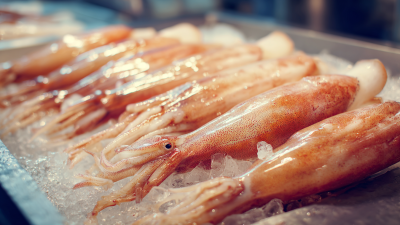
Defrosting frozen squid flower properly is crucial for maintaining its texture and flavor. According to industry studies, improper defrosting can lead to a rubbery consistency and loss of taste. The key is to manage the temperature carefully. One effective method is to move the squid from the freezer to the refrigerator. This gradual thawing typically takes about 8 to 12 hours. It allows the squid to defrost evenly while keeping it at a safe temperature.
Another common technique is to submerge the squid in cold water. This method is faster, usually taking about 30 minutes. Ensure the squid is in a sealed bag to prevent water from getting inside. However, this technique risks uneven thawing if the water is not cold enough. It’s essential to monitor the process. Overexposure to water can lead to a mushy texture, which compromises the dish's overall quality.
Sometimes, the squid can feel slimy after defrosting, making it unappetizing. This texture can be mitigated by rinsing the squid briefly under cold water before cooking. A paper towel can help absorb excess moisture. Taking these steps may still not guarantee perfection. Each batch can behave differently, depending on the freezing process used before. Proper care is vital for the best out of your frozen squid flower.
Understanding the Nutritional Benefits of Squid Flower in Meals
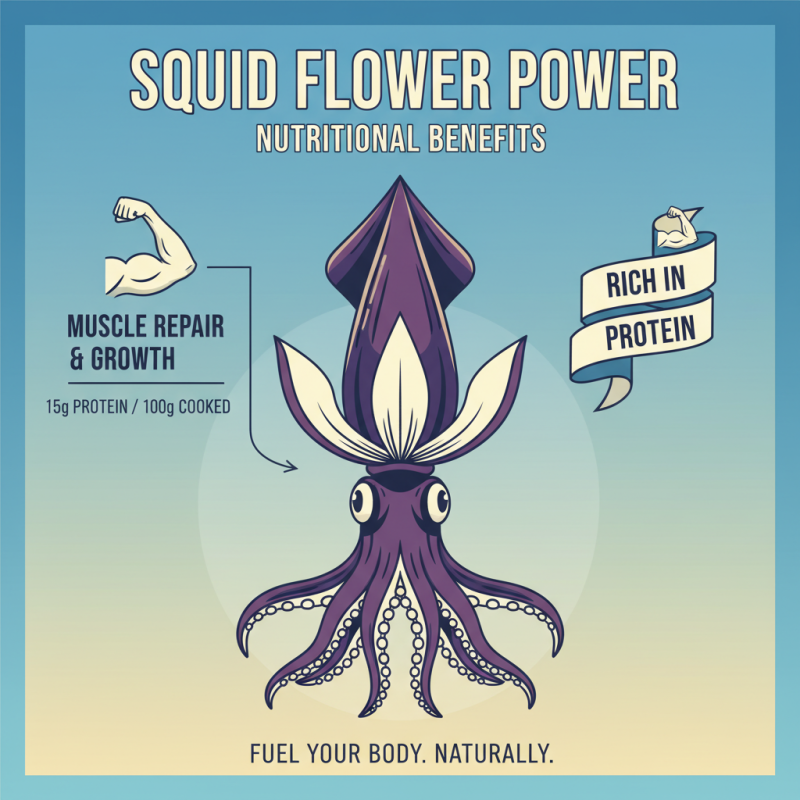
Squid flower, often overlooked, offers impressive nutritional benefits. It's rich in protein, providing about 15 grams per 100 grams cooked. This makes it an excellent choice for muscle repair and growth. Protein is essential for everyone, especially active individuals.
In addition to protein, squid flower is low in calories, with only 70 calories per serving. This supports weight management and healthy eating habits. Furthermore, squid is high in omega-3 fatty acids. These healthy fats contribute to heart health. They can lower inflammation and improve cholesterol levels. A study published in the “Journal of Nutrition” highlighted that omega-3s can reduce the risk of cardiovascular diseases.
Squid flower also contains vital vitamins and minerals. It’s a good source of vitamin B12, which aids in energy production and neurological function. The presence of selenium supports antioxidant activity, potentially preventing cell damage. However, one should be cautious about sourcing and preparation methods to ensure food safety. Overcooking can diminish its nutritional value.
Choosing the Right Cooking Techniques for Frozen Squid Flower
Cooking frozen squid flower can be a delightful experience if you choose the right cooking techniques. Start by thawing the squid in the refrigerator overnight. This ensures even cooking and helps maintain its tender texture. Thawing in cold water is also an option. Just place the sealed squid in a bowl of water for about 30 minutes.
For cooking, grilling or sautéing works best. Both methods help keep the squid flower's natural flavors intact. When grilling, preheat the grill for about ten minutes. Brush the squid lightly with olive oil, and season with salt and pepper. Sautéing in a pan with garlic and chili can enhance its flavor. It’s also essential not to overcook the squid. Cooking it for just a few minutes can prevent a rubbery texture. Timing is key; overcooking can turn a promising dish into a chewy disappointment.
Experimenting with different spices might yield interesting results. Consider adding paprika or lime juice for a zesty kick. You might think you've mastered it, but the balance of flavors can sometimes be elusive. Each attempt could lead you to a more refined version of your dish. Cooking is a journey, after all.
Cooking Techniques for Frozen Squid Flower
Flavor Pairing Ideas and Seasonings for Squid Flower Dishes
Cooking frozen squid flower can be a delightful adventure. When you consider flavor pairings, endless possibilities emerge. Think about light citrus notes. Lemon or lime zest enhances the natural sweetness of the squid. A splash of soy sauce adds depth. Combine these elements for a well-rounded dish.
Herbs and spices play a crucial role too. Fresh garlic and ginger elevate the flavor profile. Consider adding chili flakes for a spicy kick. Aromatic herbs like parsley or cilantro provide freshness. Sometimes, it's essential to balance flavors. Too much saltiness can overpower the dish. Test small batches to find the right balance.
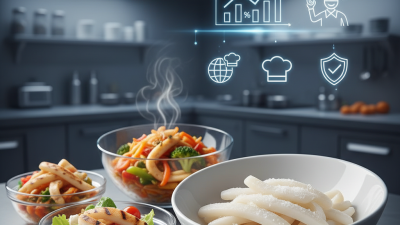
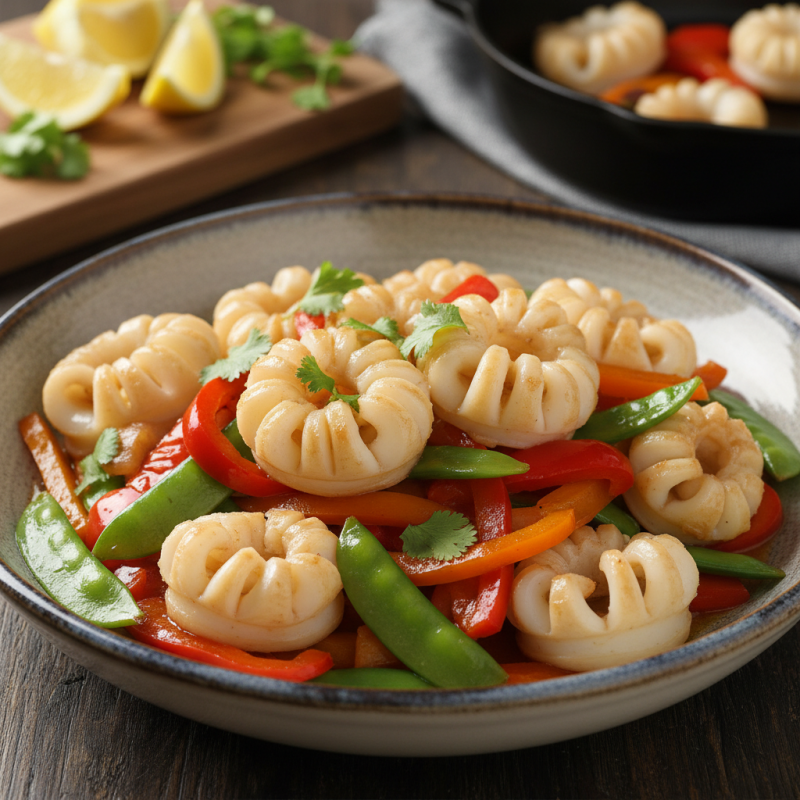
Don’t rush the cooking process. Overcooking can ruin the texture. Squid should be tender, not rubbery. Aim for a perfect sear on high heat. Experimenting with different vegetables is also exciting. Bell peppers or snap peas add color and crunch. It makes the meal visually appealing too. Each combination can lead to new discoveries. Keep learning and adjusting your recipes. The journey is as tasty as the results.
Popular Cuisines Featuring Squid Flower: Recipes and Tips
Squid flower is a versatile ingredient, widely used in many cuisines. This seafood, known for its tender texture, can enhance various dishes. It is often found in Asian and Mediterranean kitchens, loved for its ability to absorb flavors. According to industry reports, the seafood market is growing, with squid making up a significant share. This trend reflects an increasing appreciation for seafood in healthy diets.
When preparing squid flower, marinating before cooking is essential. A simple mix of soy sauce, garlic, and citrus can elevate the flavor profile. Cook it quickly to maintain its tenderness. Stir-frying or grilling are popular methods that keep the squid juicy. The recommended cooking time should not exceed three minutes, as longer cooking may lead to a rubbery texture.
Tips: Always defrost squid flower slowly in the fridge. A quick thaw in water can compromise its quality. For added crunch, toss the cooked squid in a light coating of cornstarch before frying. Experiment with different herbs and spices to find your perfect combinations. Don't be afraid to make mistakes; they can lead to delicious surprises.
How to Cook Frozen Squid Flower for Delicious Meals? - Popular Cuisines Featuring Squid Flower: Recipes and Tips
| Recipe Name |
Preparation Time |
Cooking Time |
Servings |
Ingredients |
Tips |
| Stir-Fried Squid Flower |
10 minutes |
15 minutes |
2-3 |
Squid flower, garlic, soy sauce, chili, vegetables |
Use high heat to maintain tenderness. |
| Trojan Spaghetti with Squid Flower |
5 minutes |
20 minutes |
2-4 |
Spaghetti, squid flower, olive oil, garlic, parsley |
Cook pasta al dente for better texture. |
| Grilled Squid Flower Skewers |
15 minutes |
10 minutes |
4 |
Squid flower, lemon, olive oil, sea salt, pepper |
Marinate for at least 30 minutes for better flavor. |
| Squid Flower Salad |
10 minutes |
5 minutes |
2-4 |
Squid flower, mixed greens, vinaigrette, cherry tomatoes |
Serve chilled for a refreshing dish. |