What Are Frozen Fish Balls and How to Cook Them at Home?
Frozen fish balls are a popular delicacy enjoyed in various cuisines around the world. Often made with a blend of fish and other ingredients, these bite-sized treats are not only flavorful but also convenient, making them a favorite for home cooking. With their versatility, frozen fish balls can be incorporated into a variety of dishes, from soups and stir-fries to hotpot and noodle dishes. Understanding how to properly prepare these frozen delights opens up a realm of culinary possibilities.
Cooking frozen fish balls at home is both simple and rewarding, allowing you to create meals that are both delicious and satisfying. The key to achieving the perfect texture and flavor lies in knowing the right cooking methods, such as boiling, frying, or steaming. As you explore the various techniques, you may also discover inventive recipes that highlight the unique taste of frozen fish balls while complementing different ingredients. Whether you are a seasoned chef or a novice home cook, this guide will provide you with the essential knowledge to enjoy and prepare frozen fish balls effortlessly.
What Are Frozen Fish Balls and Their Nutritional Benefits?
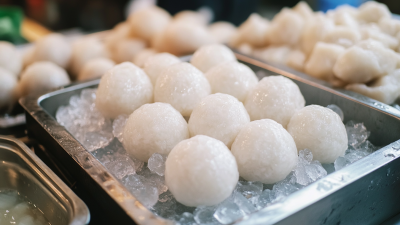
Frozen fish balls are a popular ingredient in various cuisines, particularly in Asian dishes. They are made from minced fish that is formed into small balls and then frozen for preservation.
One of the primary nutritional benefits of frozen fish balls is their high protein content. According to a report by the Food and Agriculture Organization (FAO), fish is an excellent source of lean protein, which is essential for building and repairing tissues in the body. Typically, fish balls contain about 10-15 grams of protein per serving, making them a suitable option for those looking to increase their protein intake without the added fats found in other meat products.
Additionally, frozen fish balls are often lower in calories and saturated fats compared to red meat or processed poultry options, providing a heart-healthy alternative. The presence of essential omega-3 fatty acids in fish also contributes to their nutritional profile, supporting cardiovascular health and brain function. A study published in the Journal of Nutrition highlights that regular consumption of fish is linked to a reduced risk of heart disease, showing that integrating frozen fish balls into meals can help individuals benefit from these health properties.
Given their versatility and ease of preparation, frozen fish balls are not only a convenient ingredient but also a nutritious addition to a balanced diet.
The Manufacturing Process of Frozen Fish Balls: A Behind-the-Scenes Look
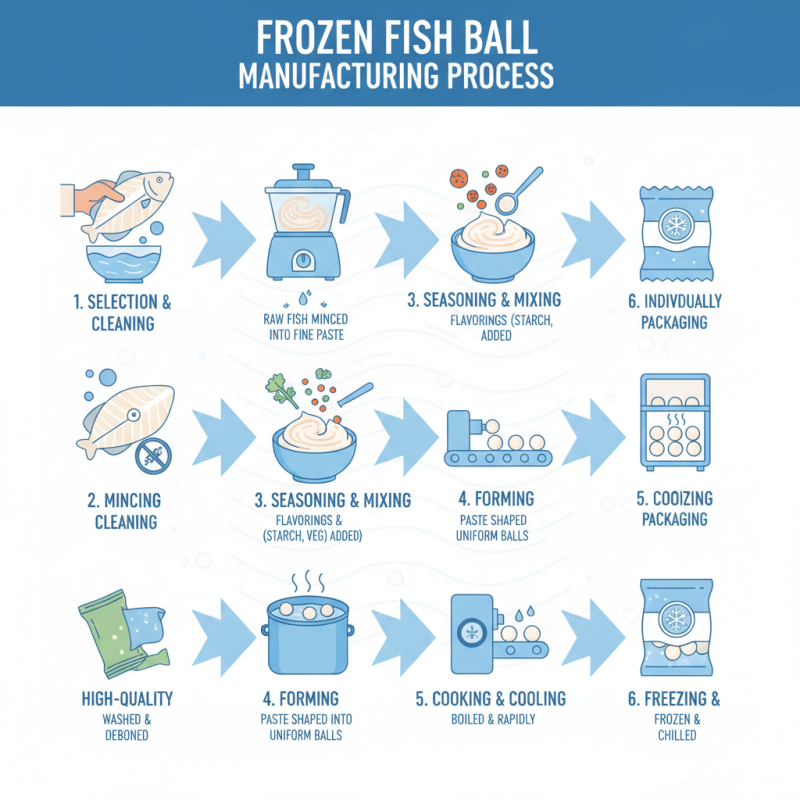
The manufacturing process of frozen fish balls is a meticulous and fascinating endeavor that transforms fresh fish into a popular culinary delight. It begins with the selection of high-quality fish fillets, which are carefully washed and deboned to ensure a clean product. This raw fish is then minced into a fine paste, a process that can involve various techniques to achieve the desired texture. During this phase, seasonings and fillers such as starch or vegetables may be added, enhancing both flavor and consistency.
Once the fish mixture is ready, it is shaped into balls using specialized machinery or by hand, depending on the production scale. After shaping, the fish balls are cooked through steaming or boiling, which helps set their structure. Following the cooking process, the fish balls undergo rapid freezing to lock in their freshness and flavor, ensuring a longer shelf life. This freezing process is critical as it preserves the nutrients and taste, making them convenient for later use.
**Tips:** When preparing to cook frozen fish balls at home, it's helpful to thaw them in the refrigerator overnight for even cooking. Alternatively, you can cook them directly from frozen; just adjust the cooking time accordingly. For a flavor boost, consider adding herbs or spices to the boiling water when cooking the fish balls. Enjoy them in soups or stir-fried dishes for a delicious meal!
Different Ways to Prepare Frozen Fish Balls: Cooking Methods Explored
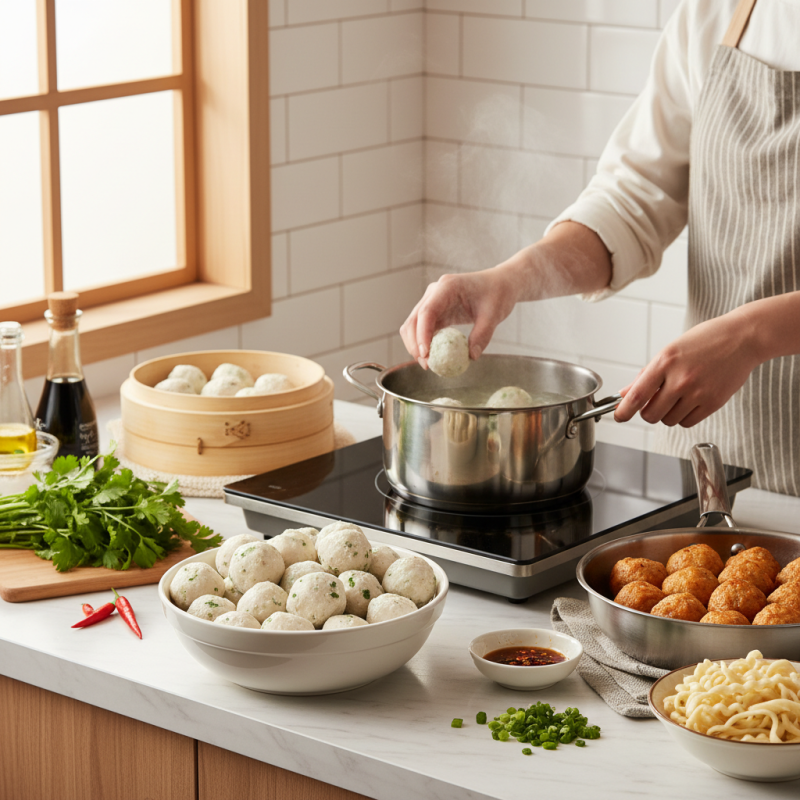
Frozen fish balls are a versatile ingredient that can be prepared in several delicious ways. One of the most common cooking methods is boiling. Simply bring a pot of water to a gentle boil, then add the fish balls. Allow them to cook for around 5-7 minutes until they float to the surface, indicating they are ready. This method keeps the fish balls moist and allows them to absorb flavors if cooked with herbs or spices.
Another popular technique is pan-frying, which adds a delightful crispy texture to the outside of the fish balls. Heat a bit of oil in a skillet over medium heat, then add the fish balls and cook until golden brown on all sides. This method not only enhances the flavor but also gives a satisfying crunch that pairs well with dipping sauces.
Additionally, fish balls can be used in soups or stews. Simply add them towards the end of the cooking process to prevent them from becoming too soft. Their ability to soak up the surrounding broth makes them a delightful addition to any meal.
Essential Ingredients Commonly Found in Frozen Fish Balls
Frozen fish balls are a popular delicacy made primarily from fish paste, which is derived from various types of fish such as cod, pollock, or tilapia. These seafood treats often include essential ingredients that enhance their flavor and texture. Common additives in frozen fish balls can include starch, salt, and various seasonings, which work together to create a firm yet tender bite. According to industry reports, the global frozen seafood market is expected to grow substantially, driven by the increasing demand for convenience foods, particularly in Asian cuisines where fish balls are a staple.
When preparing frozen fish balls at home, understanding the essential ingredients can help you enhance your dish. Commonly, fish balls may contain egg whites or binders that optimize texture, making them perfect for soups, stews, or deep-frying applications. To add an extra layer of flavor, cooks often incorporate aromatics such as ginger or garlic in their cooking processes. Furthermore, understanding the proportion of fish to starch is crucial; ideally, the fish content should comprise at least 50%-60% of the mixture to retain a high-quality taste and texture.
Tips: When cooking frozen fish balls, consider boiling them first for 5-7 minutes before adding them to soups or stir-fries. This ensures they are cooked through and contribute their flavors to the dish. Also, using a non-stick pan can prevent any sticking that may occur during pan frying. Experimenting with dipping sauces, such as soy sauce mixed with vinegar, can elevate your fish ball experience, making it even more enjoyable.
What Are Frozen Fish Balls and How to Cook Them at Home? - Essential Ingredients Commonly Found in Frozen Fish Balls
| Ingredient |
Description |
Common Uses |
Nutritional Value (per 100g) |
| Fish Fillet |
Prime ingredient providing protein and flavors. |
Used as a base for fish balls. |
120 kcal, 20g protein |
| Starch |
Provides texture and helps bind the mixture. |
Commonly used in fish balls and other seafood products. |
350 kcal, 0g protein |
| Seasonings |
Includes salt, pepper, and other spices for flavor. |
Enhances the taste of fish balls. |
Varies by type, negligible calories. |
| Vegetables |
May include onion, garlic, or green onion for added flavor. |
Commonly mixed into fish balls for variety. |
50 kcal, 2g protein |
| Preservatives |
Used to maintain freshness and extend shelf life. |
Not typically consumed in large amounts. |
Varies by type, generally negligible calories. |
Tips for Selecting and Storing Frozen Fish Balls for Optimal Quality
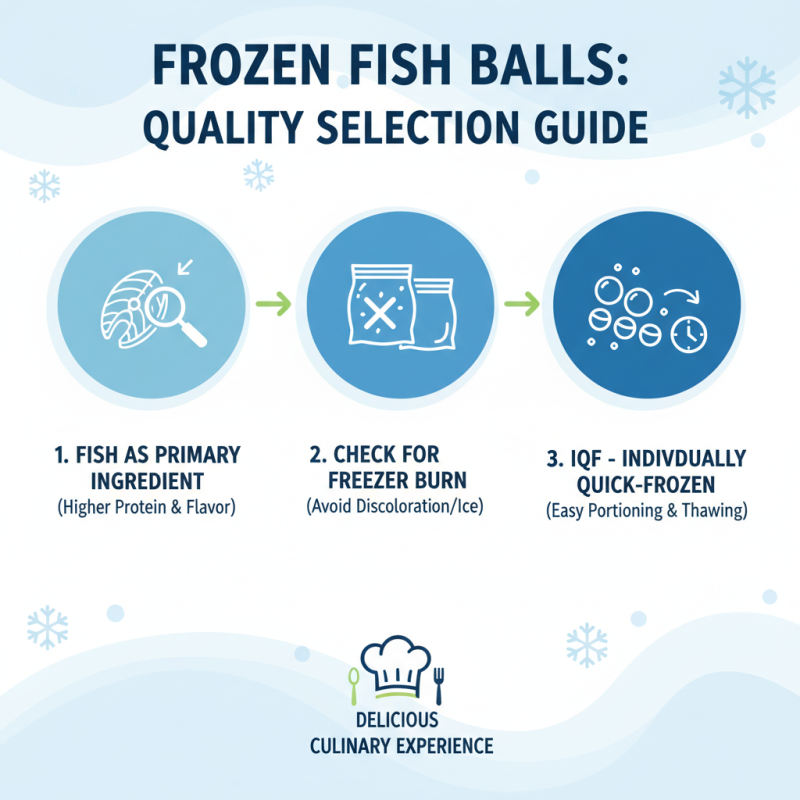
When selecting frozen fish balls, it is essential to prioritize quality to ensure a delicious culinary experience. Look for products that list fish as the primary ingredient, as this indicates a higher protein content and better flavor. Additionally, examine the packaging for any signs of freezer burn, such as discoloration or ice crystals, which can compromise texture and taste. Choosing fish balls that are individually quick frozen (IQF) can also enhance quality, allowing for easy portioning and minimizing thawing time while preserving their freshness.
Storing frozen fish balls properly is crucial to maintain their optimal quality. Always keep them in the freezer at 0°F (-18°C) or lower, and avoid frequent temperature fluctuations by minimizing exposure to warm air during storage. It’s best to store them in an airtight container or resealable freezer bags to prevent moisture and air from affecting their texture. Additionally, label the bags with the date of freezing, as using them within three to six months will help ensure the best flavor and quality. When defrosting, do so gradually in the refrigerator rather than at room temperature to prevent bacteria growth and ensure a safe, tasty meal.