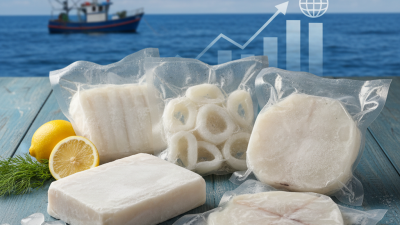
Frozen Squid Flower Buying Tips for Global Importers
The global seafood market has seen a remarkable rise in the demand for Frozen Squid Flower. Reports indicate a notable 30% increase in imports over the last five years. This surge highlights the growing appreciation for this culinary delicacy. Importers must navigate competitive landscapes and varying quality standards.
Understanding the nuances of Frozen Squid Flower is crucial. Factors such as processing methods, sourcing regions, and freshness play significant roles in quality assurance. Industry experts emphasize that consistent quality leads to repeat business. Reliable suppliers with good reputations help ensure that high standards are maintained.
While many consider impulse buying, thorough research is vital. Each shipment should undergo quality checks. Failing to do so can lead to costly mistakes. As importers explore new opportunities, being informed about market trends and consumer preferences remains essential. This is a journey that requires attention to detail and thoughtful decision-making.
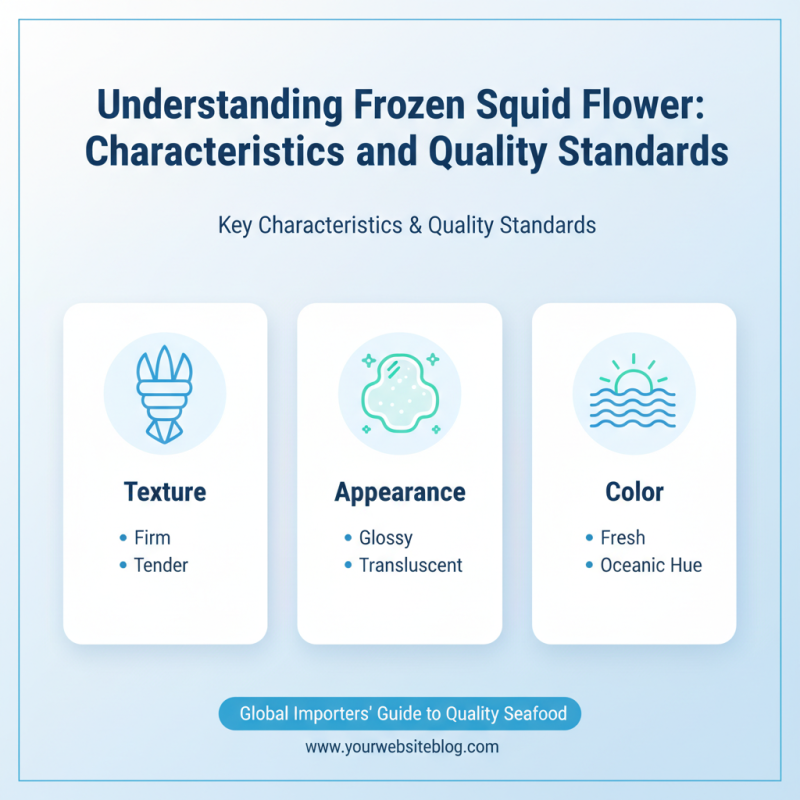
Understanding Frozen Squid Flower: Characteristics and Quality Standards
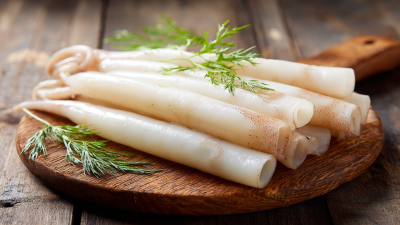
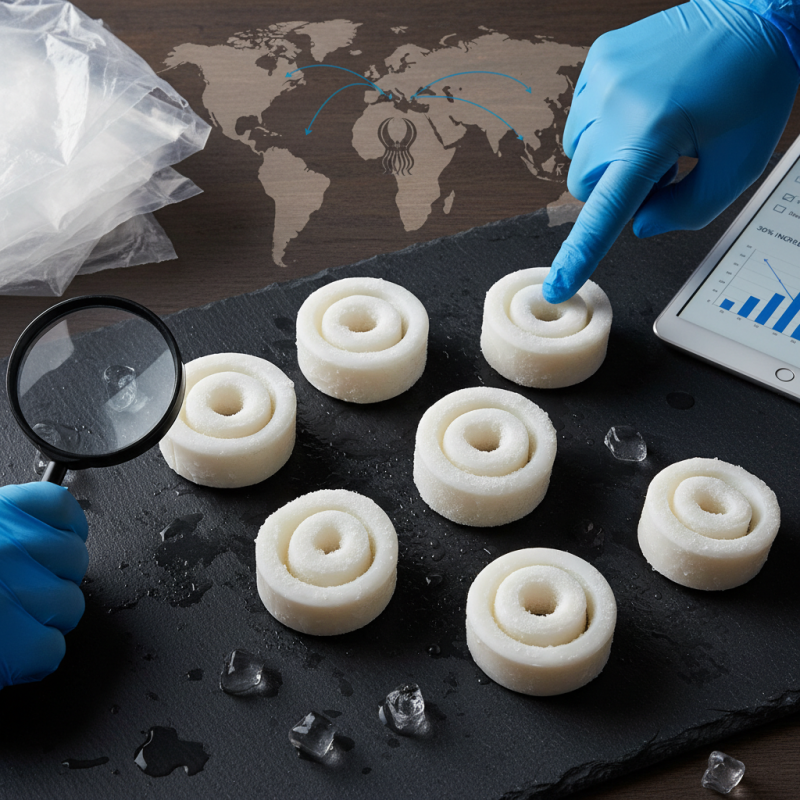
Frozen squid flowers are a popular seafood choice among global importers. Understanding their characteristics is crucial for maintaining quality standards. The texture of frozen squid flowers should be firm yet tender. A good flower has a glossy, translucent appearance. The color should reflect a fresh, oceanic hue.
Quality standards vary between countries. Importers must know local regulations when sourcing. Ice glaze on the product should not exceed 5%. That's a sign of proper freezing methods. Potential buyers should pay attention to the labeling as well. Accurate labeling ensures you're getting the right product.
Evaluating the sensory aspects is essential. The smell should be clean, reminiscent of the sea. Any off-odors could indicate spoilage. While assessing quality, be prepared for variations. Not every batch will meet expectation. It’s important to remain vigilant and adjust sourcing methods as necessary. Understanding these details can significantly impact successful importing.
Key Factors to Consider When Sourcing Frozen Squid Flower Globally
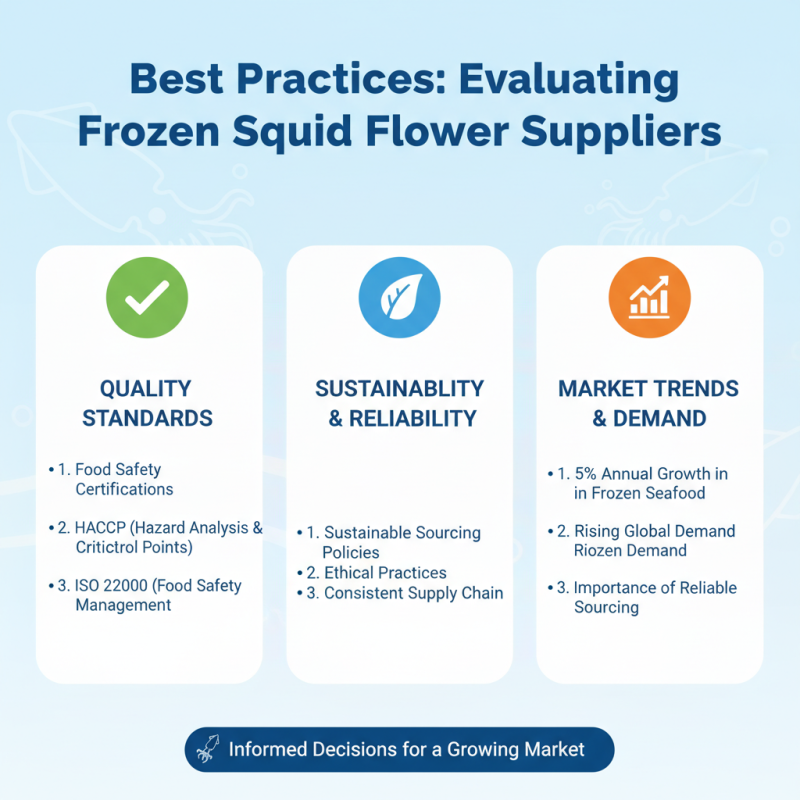
When sourcing frozen squid flowers, several key factors come into play. Assessing quality is crucial. Freshness impacts texture and flavor. Always inquire about freezing methods. Quick freezing retains taste better than slow freezing. Additionally, check for certifications that ensure safe handling.
Understanding the supply chain is vital. Engage suppliers who practice transparency. Knowing where the product originates can reveal potential issues. Price should not be the only consideration. Sometimes, the cheapest options may hide quality risks. This can lead to unanticipated losses.
Here are a few tips for importers. Look for suppliers with a track record of reliability. Visit their facilities if possible. Experience matters. Trust those who demonstrate industry knowledge. Lastly, consider building long-term relationships. This can lead to better pricing and consistent quality in the long run. Taking the time to reflect on these aspects can lead to successful sourcing.
Logistics and Shipping Considerations for Frozen Squid Flower Purchases
When importing frozen squid flower, logistics plays a crucial role. Proper logistics ensures the product remains fresh, delicious, and safe for consumers. According to industry reports, over 30% of frozen seafood spoilage occurs during shipping. This highlights the importance of choosing reliable shipping partners.
Temperature control is vital during transportation. Frozen squid flowers must maintain a temperature below -18°C. Temperature fluctuations can lead to quality degradation. Research shows that 85% of seafood importers face challenges with temperature management. Selecting experienced logistics providers can reduce these risks.
Packaging is another key consideration. Packaging needs to withstand long transit times. It should protect against moisture and air exposure. A study revealed that optimal packaging can extend shelf life by an average of 20%. Importers should evaluate their packaging solutions regularly. This could save costs and minimize waste. Reflecting on these logistics aspects is essential for successful imports.
Frozen Squid Flower Buying Tips for Global Importers - Logistics and Shipping Considerations for Frozen Squid Flower Purchases
| Aspect |
Details |
| Product Quality Standards |
Ensure squid flowers meet international quality and safety standards, including HACCP certification. |
| Supplier Reliability |
Verify supplier credentials and previous shipping records to avoid delays or subpar products. |
| Shipping Methods |
Use refrigerated shipping methods for temperature-sensitive products to maintain quality. |
| Packaging Requirements |
Ensure proper packaging that complies with international shipping and health safety regulations. |
| Customs Clearance |
Make sure to prepare all necessary documents for customs clearance to avoid delays. |
| Lead Time Considerations |
Factor in lead times for production and shipping when placing orders to ensure timely delivery. |
| Cost Analysis |
Evaluate all costs including product price, shipping, customs duties, and potential tariffs. |
Regulatory Compliance and Import Procedures for Frozen Seafood Products
When importing frozen squid flowers, understanding regulatory compliance is essential. The seafood industry is governed by strict regulations. According to the Food and Agriculture Organization (FAO), seafood imports are subject to various safety and quality standards. Many countries require specific documentation, such as health certificates, to ensure the products are safe for consumption.
In 2021, over 60% of seafood imports were subjected to inspections. These inspections can lead to delays if any compliance issue arises. Importers must ensure their suppliers meet all necessary guidelines. This includes proper freezing techniques to maintain the product's quality. A report from the International Seafood Sustainability Foundation highlights the importance of traceability in the supply chain. Failures in this area can result in significant financial losses.
Communication with authorities is vital during the import process. Response times can vary greatly between different regions. Some importers have reported delays of up to several weeks when facing paperwork issues. A well-prepared importer can minimize these risks by maintaining accurate records and fostering relationships with regulatory bodies. It's a complex process, but attention to detail can make a difference.