What is Frozen Squid Rings and How to Buy Them?
Frozen Squid Rings have gained popularity in culinary circles for their versatility and delicious taste. These delicacies are widely available, making them a convenient choice for home cooks and chefs alike. When searching for high-quality Frozen Squid Rings, it’s essential to understand what to look for in terms of freshness and sourcing.
Choosing the right product can be overwhelming. Consider factors such as origin, size, and packaging. Freshness is key, as top-quality squid rings will have a clean taste and firm texture. It's more than just a product; it's an experience that can elevate your dishes.
Many consumers might overlook the importance of reading labels. Knowing what additives or preservatives are included can make a difference in taste and health. By focusing on these elements, you can ensure that your Frozen Squid Rings are not only enjoyable but also reliable for your culinary needs.
What are Frozen Squid Rings and Their Common Uses?
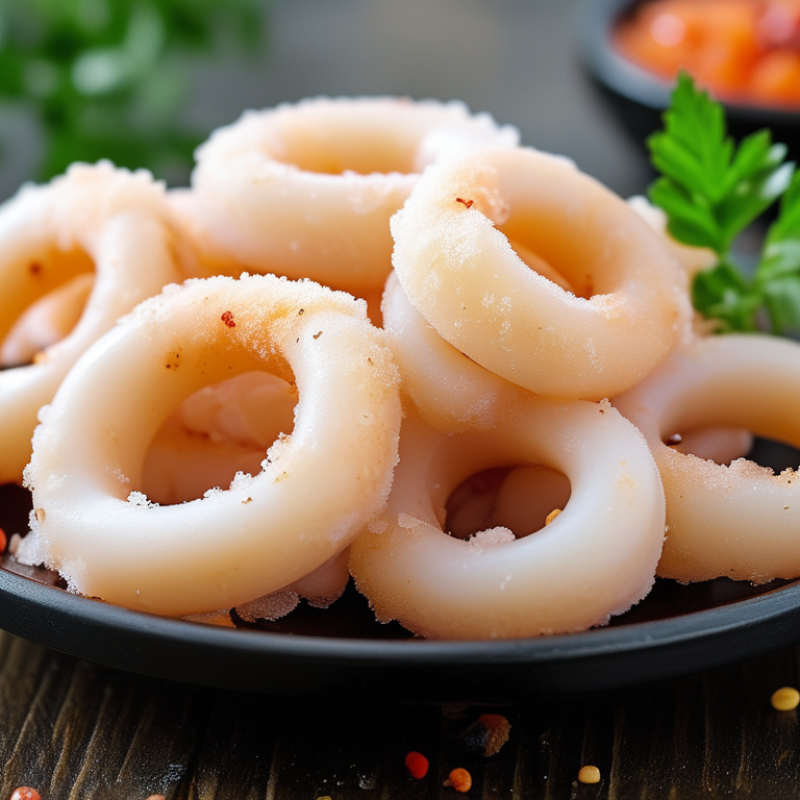
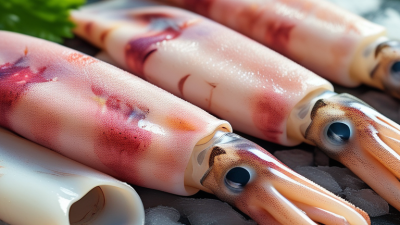
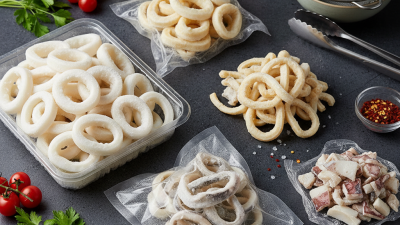
Frozen squid rings are a versatile ingredient in many kitchens. They come from fresh squid that is cleaned, sliced, and frozen, preserving both flavor and texture. These rings are commonly used in various cuisines, especially in Asian dishes. They are often deep-fried, grilled, or added to stir-fries. Their mild taste pairs well with bold sauces and spices, making them a favorite for many.
When purchasing frozen squid rings, look for packages that are well-sealed and have no signs of frostbite. Quality matters; choose those that appear bright and free from discoloration. Sometimes, guidance is needed when selecting the right product. Not all frozen squid rings have the same texture or flavor. Cooking methods can also influence the final dish. Overcooking may lead to a rubbery consistency, so care is needed. Experimenting with different cooking styles can enhance the experience.
Nutritional Benefits of Frozen Squid Rings
Frozen squid rings are increasingly popular in various cuisines. Their nutritional benefits are notable. Rich in protein, they provide about 15 grams of protein per 100 grams. This makes them an excellent choice for those looking to increase their protein intake without excessive fat. According to a report from the Food and Agriculture Organization (FAO), seafood consumption is linked to improved brain function and heart health.
These squid rings also boast low calories, roughly 100 calories per serving. They are a source of essential vitamins and minerals. For instance, a serving contains significant amounts of vitamin B12, promoting healthy nerve function and energy levels. Additionally, the presence of omega-3 fatty acids can support cardiovascular health. A study published in the Journal of Nutrition found that diets rich in omega-3s lower the risk of heart disease.
However, one should consider the sourcing of frozen squid. Ensure it comes from sustainable fisheries. Not all frozen seafood products are equal in quality. Sometimes, labeling can be misleading. Therefore, checking certifications and asking suppliers about sustainability can be essential. Additionally, while frozen squid rings are convenient, they may lose some nutrients during the freezing process. Balancing convenience with nutritional quality requires careful thought.
How to Select High-Quality Frozen Squid Rings
When selecting high-quality frozen squid rings, visual inspection is crucial. Look for bright, uniform colors. The texture should appear firm and not overly soft. Quality squid rings have a clean, ocean-fresh scent, not a strong fishy smell. Packaging is equally important; choose options that are vacuum-sealed or tightly wrapped. This ensures better preservation of freshness.
Pay attention to the size of the rings. Larger rings are often more meaty and flavorful, while smaller ones can be chewy. It's also wise to check the ingredients list. Some products may contain additives or preservatives that can affect taste and quality. Avoid those that list excessive ingredients.
Sometimes, lower-priced options may tempt buyers. However, they may compromise quality. Take time to compare various products. Don't hesitate to ask questions when buying from local markets. Engaging with sellers can provide insights into sourcing and handling. This extra step can lead to better choices and enhance your culinary experiences with frozen squid rings.
What is Frozen Squid Rings and How to Buy Them? - How to Select High-Quality Frozen Squid Rings
| Criteria |
Description |
Quality Indicators |
Best Practices for Buying |
| Color |
Bright white to slightly translucent |
Uniform color, no brown or black spots |
Choose products with consistent coloring |
| Texture |
Firm to the touch, no mushiness |
No signs of freezer burn, remains intact |
Avoid if they feel soft or are overly wet |
| Packaging |
Vacuum-sealed or properly sealed |
Undamaged seals, clear labeling |
Inspect packaging for integrity before purchase |
| Odor |
Fresh sea-like aroma |
No strong fishy or off-putting smells |
Check for odor before buying |
| Size |
Consistent ring sizes |
Uniform sizes for even cooking |
Look for packages indicating size |
Best Practices for Storing Frozen Squid Rings
Storing frozen squid rings properly is essential for maintaining their quality. After purchasing, place the squid rings in the freezer immediately. The ideal temperature is below -18°C (0°F). Ensure your freezer maintains a consistent temperature. Fluctuations can lead to freezer burn.
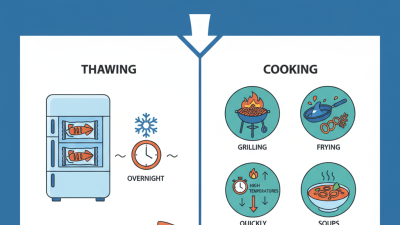
When you're ready to use them, avoid refreezing once thawed. This can degrade texture and flavor. Instead, take only the amount you need. It's best to thaw squid rings in the refrigerator overnight. This slow process preserves their quality. If you’re short on time, a cold water bath can work, but it’s less ideal.
Keep an eye on the packaging. If it’s damaged, consider transferring the squid rings to an airtight container. This reduces the risk of contamination and freezer burn. Regularly check your freezer's contents too. Consuming older products sooner can prevent waste. Remember, freshness significantly impacts taste and texture.
Frozen Squid Rings Consumption by Region
Cooking Methods for Frozen Squid Rings
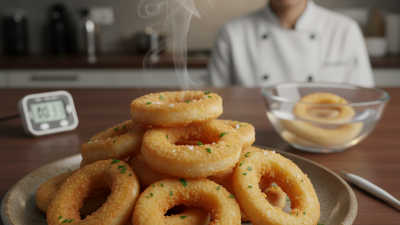
Frozen squid rings are a popular choice for many seafood lovers. Cooking methods for these rings can vary widely, giving you flexibility in the kitchen. According to the National Fisheries Institute, squid consumption has steadily risen, with a significant push in frozen seafood products. Many find that frying yields the most satisfying texture and flavor. Deep frying provides a crispy coating, sealing in the tender seafood inside. This method works particularly well with a light batter, enhancing the natural taste without overpowering it.
Grilling is another excellent option. When grilled, squid rings take on a smoky flavor that pairs well with citrus marinades. This method preserves the tenderness of the squid while adding complexity to the dish. A 2021 industry report highlighted that consumers are increasingly seeking healthier meal options. Grilling and baking can be healthier methods compared to frying, appealing to health-conscious individuals. However, overcooking can lead to rubbery textures, a common mistake even among seasoned cooks.
Stir-frying presents a quick cooking method that retains the squid's natural flavors. Combine frozen squid rings with vibrant vegetables for a colorful, nutritious meal. Keep in mind that frozen squid typically has added moisture, which can impact cooking time. Always ensure your cooking methods complement the squid's natural flavors while preventing common pitfalls.