How to Source the Best Dried Squid Snack for Export?
Sourcing the best dried squid snack for export involves a nuanced approach. The global market's demand for high-quality dried squid snacks is growing. It combines unique flavors with a rich nutritional profile, appealing to a wide audience.
Importantly, quality should be at the forefront of your sourcing strategy. A reliable supplier is crucial in ensuring consistent taste and texture. Not all dried squid snacks are created equal; some may lack essential quality checks. Certain products may have issues with freshness or flavor balance.
Exploring regional preferences can also guide businesses in selecting the right products. Understanding consumer tastes will enhance import success. Engaging with suppliers who embrace sustainable practices adds credibility to your sourcing. Trust and transparency will reinforce your brand. Ultimately, thorough research will inform the decisions you make in this competitive market.
Understanding the Global Demand for Dried Squid Snacks in Export Markets
The global demand for dried squid snacks is on the rise. According to a recent market research report, the dried seafood snack market is expected to grow at a CAGR of 5.8% by 2027. This growth is driven by increasing consumer preference for healthy and protein-rich snacks. Dried squid, in particular, is celebrated for its unique flavor and nutritional benefits. The Asia-Pacific region dominates this market, with countries like Japan and South Korea leading in consumption and export.
When sourcing dried squid snacks for export, consider variable
quality standards across markets. Understanding local preferences and regulations is crucial. For instance, the EU has specific guidelines on seafood products, affecting how exporters process and package their squid snacks. Engaging with reliable suppliers ensures the quality and authenticity of the product.
Tip: Always conduct thorough research on target markets. Use platforms such as trade shows and industry reports to gather insights. Collaborate with local importers who know consumer tastes. This helps mitigate risks linked to misjudged product demand. Prioritizing sustainable sourcing practices can significantly enhance a brand’s reputation in competitive markets.
Identifying Key Sourcing Regions for High-Quality Dried Squid
When sourcing dried squid for export, consider the origin of your product. Key regions known for high-quality dried squid include Southeast Asian countries. These areas have favorable climates for squid fishing and abundant marine resources.
Look into the catch methods used by local fishermen. Sustainable practices lead to healthier and tastier squid. When visiting suppliers, ask about their fishing and drying processes. Transparency is crucial. Quality control checks can reveal important details about product safety and purity.
Tip: Establish a relationship with suppliers. Frequent communication can lead to better deals and insights into market trends. Understand the local culture and norms of sourcing. Building trust is vital.
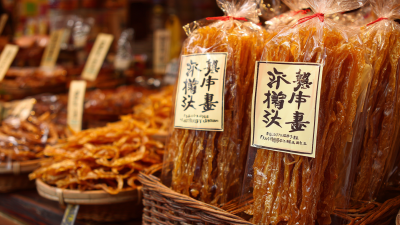
Keep an eye on the packaging. Attractive, sturdy packaging can enhance the product's appeal during export. Ensure that it meets international standards. A package that reflects quality will attract more buyers.
Evaluating Quality Standards and Certifications for Dried Squid Products
When sourcing dried squid snacks for export, it is crucial to evaluate quality standards and certifications. A product's quality can influence its reputation and marketability. Look for certifications that indicate compliance with food safety regulations. These may include HACCP, ISO, or GMP. Such certifications help ensure the products meet health guidelines.
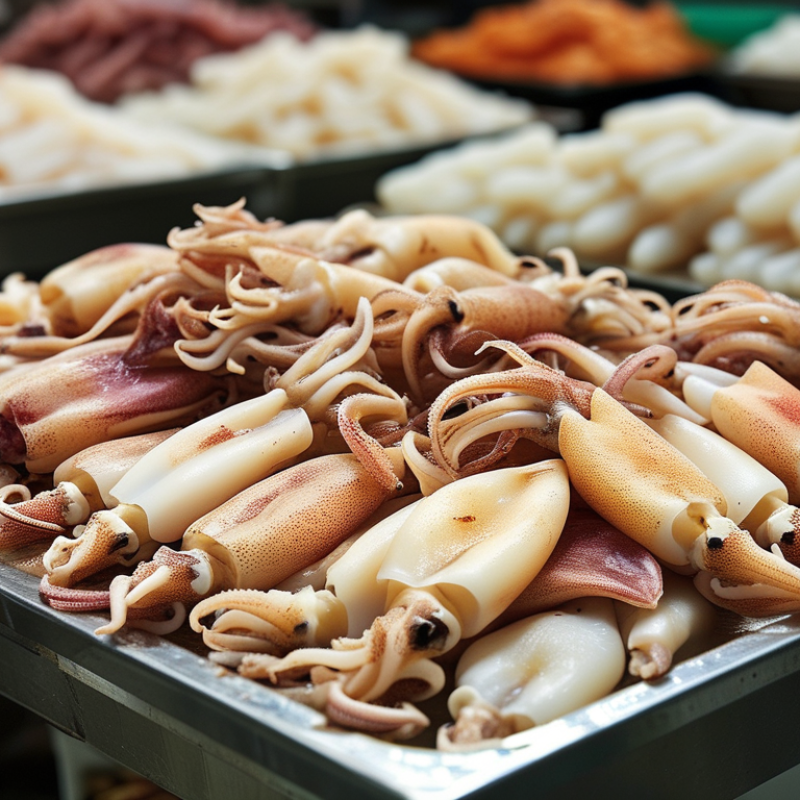
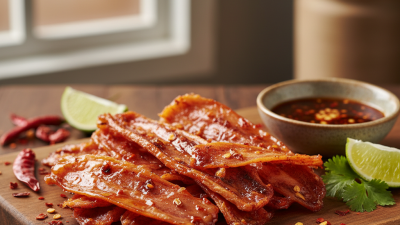
Inspect the color and texture of the dried squid. Bright, natural colors typically indicate freshness. Additionally, the texture should be firm but not overly tough. If the product seems excessively dry or has an unnatural color, it may reflect poor quality. Small inconsistencies in appearance may arise due to natural variations but should not compromise the overall quality.
Consider sourcing from suppliers with a track record. Experience often correlates with reliability. Seek feedback from other exporters or industry experts to gauge the supplier's reputation. Engaging with knowledgeable players in the market can provide insights. Not every product meets the high standards you might expect, which necessitates careful research and comparison.
Quality Evaluation of Dried Squid Snacks for Export
Analyzing Pricing Trends and Profitability in Dried Squid Export Business
When analyzing pricing trends in the dried squid export business, several factors come into play. The global dried seafood market is expected to reach $3 billion by 2026, with dried squid being a significant contributor. Prices often fluctuate due to seasonal availability and fishing regulations. Market research indicates that average export prices for dried squid can range from $15 to $30 per kilogram, depending on the processing methods used.
In terms of profitability, understanding local markets is essential. Costs associated with procurement, processing, and logistics can influence margins significantly. For instance, the adoption of sustainable fishing practices can lead to higher costs but also attract premium prices. Reports suggest that ethically sourced dried squid often sells at a 20% higher rate than its conventional counterparts. Awareness of consumer preferences and pricing strategies can greatly affect success.
Tips: Explore different processing techniques. Understanding how drying methods impact taste and texture can help set your product apart. Keep track of competitor pricing regularly, as this can offer insights into market trends. Adapting quickly to these changes is crucial for long-term stability.
Establishing Effective Supply Chain Management for Dried Squid Sourcing
Establishing effective supply chain management for dried squid sourcing is crucial for ensuring quality and reliability. The dried seafood market is projected to reach $20 billion by 2028, presenting a significant opportunity. However, sourcing requires precise management to meet international standards and consumer preferences.
It’s important to work closely with suppliers. Establishing long-term relationships can improve communication and enhance product quality. Consider local suppliers who understand regional sourcing challenges. Emerging markets often offer fresher options. However, prices and availability can fluctuate. Always have contingency plans in place to mitigate risks.
Tip: Regular audits of your suppliers can ensure compliance with quality standards. This helps in identifying potential issues early and maintaining a trusted supply chain.
Transport logistics are another key element. Proper packaging is essential to preserve product quality during transit. A recent report by the Global Seafood Alliance notes that inadequate packaging is a common challenge. Shipping delays or damage can lead to increased costs. Ensure your logistics partner is experienced in handling seafood products.
Tip: Invest in reliable packaging solutions like vacuum sealing. This will help maintain freshness and minimize spoilage during shipping.