What is Squid Seafood and How to Source at Canton Fair?
Squid seafood is gaining popularity in global markets. These delicious delicacies offer versatility and unique flavors. Sourcing squid at trade fairs like the Canton Fair can be highly beneficial. The Canton Fair is a prime event for seafood suppliers and buyers.
The upcoming 139th Canton Fair, scheduled for April 2026, hosts diverse exhibitors. This fair spans three phases, focusing on advanced manufacturing, quality home goods, and food products, among others. The integration of AI technology enhances the sourcing process, allowing buyers to find suppliers with specific certifications effortlessly.
Moreover, selecting the right squid seafood supplier is crucial. Quality should not be overlooked. Buyers should assess the freshness and delivery capabilities of suppliers. Some potential suppliers might lack essential certifications. Thus, careful evaluation of options at the fair can lead to better sourcing decisions. This ensures that only top-quality squid seafood reaches the market.
Understanding Squid Seafood: Types and Nutritional Value
Squid seafood is a popular choice globally, known for its unique flavor and nutritional benefits. Studies indicate that squid is low in calories but rich in protein, making it an excellent option for health-conscious consumers. A 100-gram serving contains about 92 calories and 15 grams of protein. It's also a source of omega-3 fatty acids, which are essential for heart health.
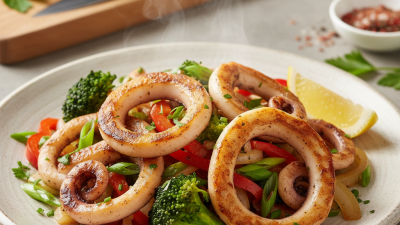
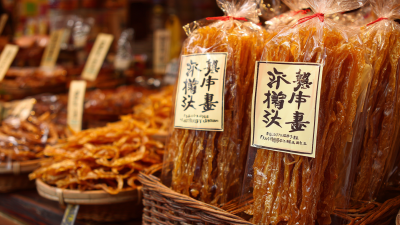
There are various types of squid seafood available in the market, including calamari and dried squid. Each type has its distinct taste and culinary uses. Calamari is often fried and served as an appetizer, while dried squid is popular as a snack in many Asian countries. According to a report by the Food and Agriculture Organization, global squid production reached over 3 million metric tons in recent years. However, sourcing quality squid can be challenging.
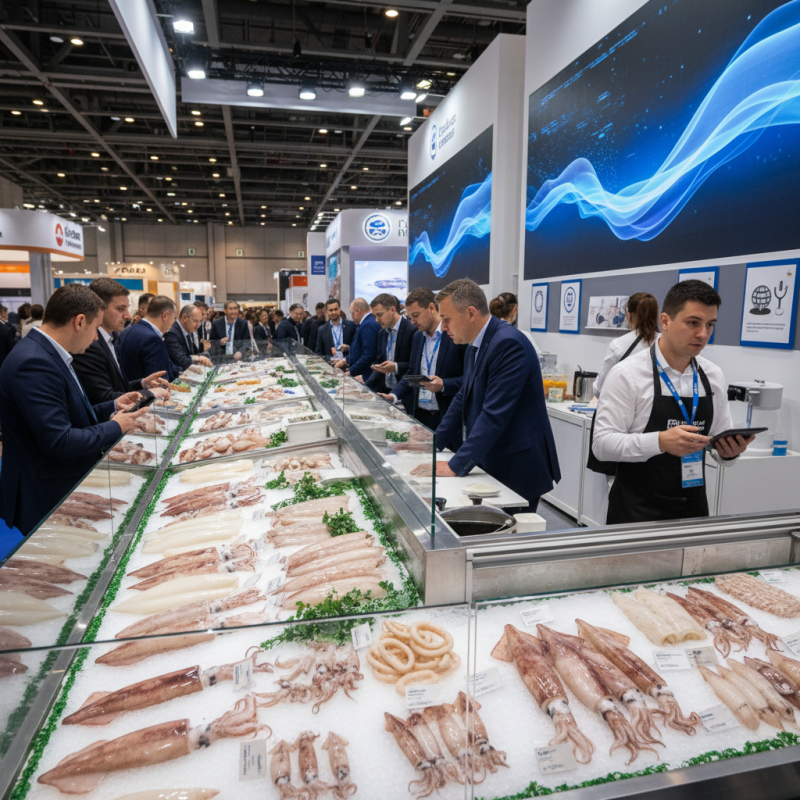
At the Canton Fair, suppliers showcase different squid products, providing a valuable opportunity for buyers. It’s essential to consider freshness and sustainability when sourcing. Some vendors may not maintain proper storage, leading to quality issues. Exploring various suppliers may take time, but it's crucial for ensuring high-quality seafood. Balancing quality with cost is vital, as there are numerous options, but not all are equally reliable.
Understanding Squid Seafood: Types and Nutritional Value
Global Squid Market Overview: Production and Consumption Statistics
The global squid market has been seeing interesting trends in production and consumption. Many countries rely on squid as a vital seafood source. In 2022, worldwide squid production reached significant levels. This growth signifies a rising demand in various regions. Consumers are becoming more adventurous with their seafood choices.
Consumption statistics show a diverse palate for squid dishes. In Europe and Asia, squid is a staple. It’s often found on menus in forms like calamari. Interestingly, North America’s demand has also increased. However, sustainable sourcing remains a challenge. Overfishing has raised concerns among environmentalists.
The Canton Fair is an excellent platform for sourcing squid and other seafood. Here, suppliers gather to showcase their products. It’s crucial for importers to assess quality and sustainability. Some may find it overwhelming to navigate the options. Research is essential to make informed decisions. Finding the right suppliers requires patience and effort.
Sourcing Squid Seafood at Canton Fair: A Step-by-Step Guide
Sourcing squid seafood at the Canton Fair can be a rewarding experience. This event showcases a wide variety of seafood, attracting thousands of buyers each year. In recent statistics, the global seafood market is projected to grow by 3.2% annually through 2027. This growth emphasizes the demand for quality squid seafood.
When you arrive at the fair, start by identifying potential suppliers. Look for those with a solid reputation and experience in handling seafood. Evaluate their product offerings closely. Some may offer frozen squid, while others provide canned or dried options. Each has its unique market. Remember, freshness is key. Check for proper storage and handling practices.
Tips: Communicate clearly with suppliers. Ask about their sourcing and sustainability practices. Have a list of questions ready to ensure that you cover all bases. Pay attention to details like certifications and processing standards. Document your findings, but be prepared. Not all suppliers will meet your expectations. Reflect on what works for your business needs.
Networking is also crucial. Connect with other buyers and sellers. Share insights and experiences about sourcing. This can lead to valuable referrals. The Canton Fair is not just about transactions; it's about building relationships that last.
Key Suppliers and Manufacturers of Squid Seafood in China
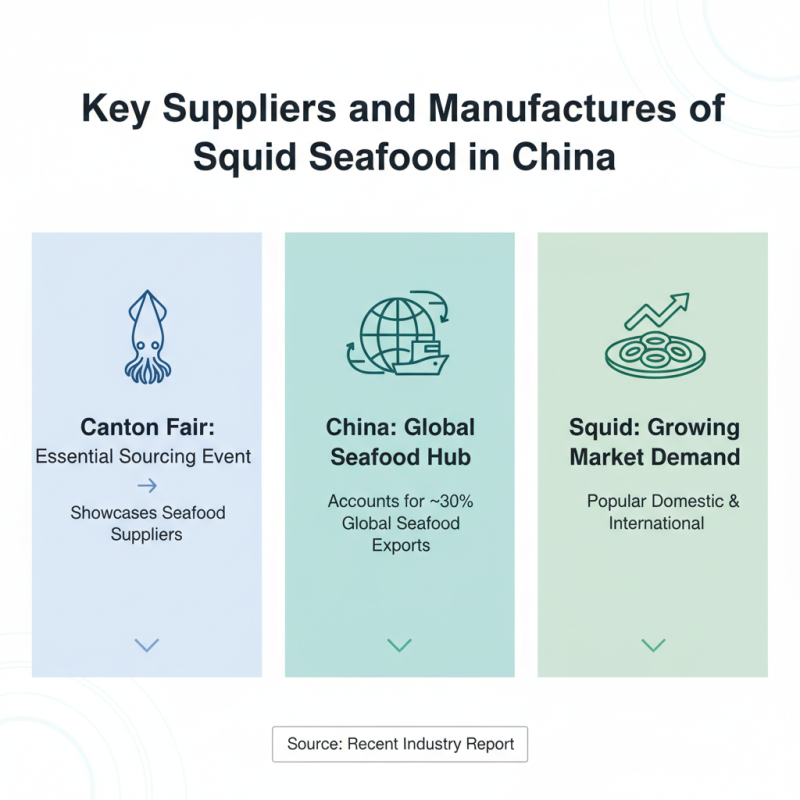
When sourcing squid seafood in China, attending the Canton Fair is essential. This event showcases a variety of suppliers and manufacturers specializing in seafood products. According to a recent industry report, China accounts for nearly 30% of global seafood exports, with squid being a significant contributor due to its popularity. The market for squid is growing, driven by increased demand in both domestic and international markets.
Key suppliers at the Canton Fair include companies that focus on frozen, dried, and processed squid. They often exhibit innovative packaging solutions that enhance product shelf life. Given the diverse product range, buyers can explore fresh and high-quality options to meet varying consumer preferences. However, it’s vital to verify suppliers’ certifications and quality standards to ensure compliance with international health regulations.
Tip: Always ask for product samples before placing bulk orders. It's a crucial step to assess quality. Understand the supply chain logistics as well. Not all suppliers may have robust shipping capabilities. Sometimes, communication gaps arise, leading to misunderstandings regarding product specifications. Be clear but flexible in negotiations to foster good relationships with suppliers.
Quality Standards and Regulations for Squid Seafood Sourcing
When sourcing squid seafood, understanding quality standards is crucial. Buyers need to be aware of various regulations that govern the industry. These regulations ensure safety and quality for consumers and businesses alike. Freshness is a primary concern. Squid should be firm, with a glossy appearance. The flesh must be absent of any off-putting odors.
Inspection processes often differ by region. In some areas, visual checks suffice. In others, lab tests are mandatory. Importantly, understanding local regulations can help avoid compliance issues. It’s essential to pay attention to labeling. Labels should clearly indicate the catch method and processing details. Transparency is key.
While the Canton Fair presents good sourcing opportunities, challenges persist. Not all suppliers meet global quality standards. Some may offer attractive prices but compromise on safety. Buyers should conduct thorough evaluations. Consider sample testing before committing. Gathering feedback on suppliers is also helpful. This approach helps build a reliable sourcing strategy.