Top 10 Health Benefits of Squid Seafood You Need to Know?
Squid seafood offers a treasure trove of health benefits. This popular delicacy is not just delicious; it is also packed with essential nutrients. Many people overlook squid in their diets, missing out on its significant advantages.
Rich in protein, squid seafood helps build and repair muscles. It is low in calories, making it a great choice for weight management. Additionally, it contains omega-3 fatty acids, vital for heart health. Antioxidants found in squid promote better skin and combat aging.
But, is squid seafood perfect for everyone? Some may find it tough to digest. Allergies can also pose risks. Awareness is key. Including squid seafood in a balanced diet can be beneficial, yet moderation is essential. This seafood deserves more attention than it typically receives.
Health Benefits of Squid: An Overview of Nutritional Value
Squid is a unique seafood with impressive nutritional benefits. It is low in calories and high in protein. A 3-ounce serving provides about 20 grams of protein. This makes it an excellent option for anyone looking to increase protein intake while managing weight. Squid is also rich in omega-3 fatty acids, which support heart health. These beneficial fats might help reduce inflammation and lower cholesterol levels.
Tips: Consider grilling or sautéing squid for a healthy meal option. Avoid heavy sauces that can add unnecessary calories. Pair it with fresh vegetables for a balanced dish.
Squid contains essential vitamins and minerals, including vitamin B12, iron, and selenium. Vitamin B12 is crucial for brain health, while iron supports energy levels. Many people overlook these nutrients in seafood. Adding squid to your diet can enhance overall health. It's versatile, too. You can find it in soups, salads, or as a main dish.
Tips: When buying squid, look for fresh, firm specimens. Frozen squid can also be a good choice. Always thaw and cook it properly to maximize nutrition.
High Protein Content in Squid and Its Role in Muscle Development
Squid is an excellent source of protein, fueling muscle growth and repair. A 3-ounce serving of squid provides around 20 grams of protein. This nutrient is vital for athletes and those looking to build muscle. The amino acids in squid help to repair tissues after exercise. Including squid in your meals can support recovery.
Moreover, squid is low in calories. This makes it a smart choice for maintaining a healthy weight. Rich in essential vitamins and minerals, it contributes to overall health. Yet, some might overlook squid due to its unique texture. It requires careful preparation to truly enjoy. Overcooking can make it rubbery, which isn't appealing to everyone.
Not everyone realizes the impact of high-protein foods like squid on fitness goals. It’s easy to stick with familiar options like chicken or beef. However, stepping outside this comfort zone can be rewarding. Experimenting with squid might surprise you with its flavors. Cooking it right can enhance your culinary skills and diet.
Top 10 Health Benefits of Squid Seafood You Need to Know
| Health Benefit |
Description |
Nutritional Value (per 100g) |
| High Protein Content |
Squid is rich in protein, which is essential for muscle growth and repair. |
15.6g |
| Low in Calories |
Ideal for weight management due to its low caloric content. |
92 kcal |
| Rich in Omega-3 Fatty Acids |
Supports heart health by reducing cholesterol levels. |
0.6g |
| Source of Vitamin B12 |
Essential for nerve function and red blood cell formation. |
13.8 µg |
| Contains Zinc |
Important for immune function and enzyme reactions. |
1.2 mg |
| Good Source of Selenium |
Antioxidant properties that help protect cells. |
44.2 µg |
| Rich in Iron |
Necessary for oxygen transport in the blood. |
1.9 mg |
| Promotes Skin Health |
Contains nutrients that enhance skin elasticity and hydration. |
Varies |
| Supports Healthy Vision |
Antioxidants in squid provide benefits for eye health. |
Varies |
| Boosts Cognitive Function |
Rich in nutrients that support brain health. |
Varies |
Essential Omega-3 Fatty Acids in Squid for Heart Health
Squid is more than just a popular seafood option. It is rich in essential Omega-3 fatty acids that play a vital role in heart health. These fatty acids help reduce inflammation and lower blood pressure. Studies show that a diet high in Omega-3s can decrease the risk of heart disease by up to 30%. This is significant for those looking to improve their cardiovascular health.
Additionally, squid is low in fat, making it a great choice for those managing their weight. A 3-ounce serving contains roughly 36 calories from fat. For many, it could be a nutritious alternative to red meat. However, not everyone enjoys the taste or preparation of squid. This can limit its inclusion in a regular diet for some individuals.
The seafood industry often emphasizes squid’s nutritional benefits. Yet, sourcing it sustainably is crucial. Overfishing remains a major concern. Some squid populations are declining. Consumers must be aware of this issue. Choosing sustainable options can support healthy ecosystems, benefiting our heart health indirectly.
Top 10 Health Benefits of Squid Seafood You Need to Know
This chart illustrates the top health benefits of consuming squid seafood, highlighting their essential omega-3 fatty acids and their positive effects on heart health.
Squid as a Source of Vitamins and Minerals: Key Contributions
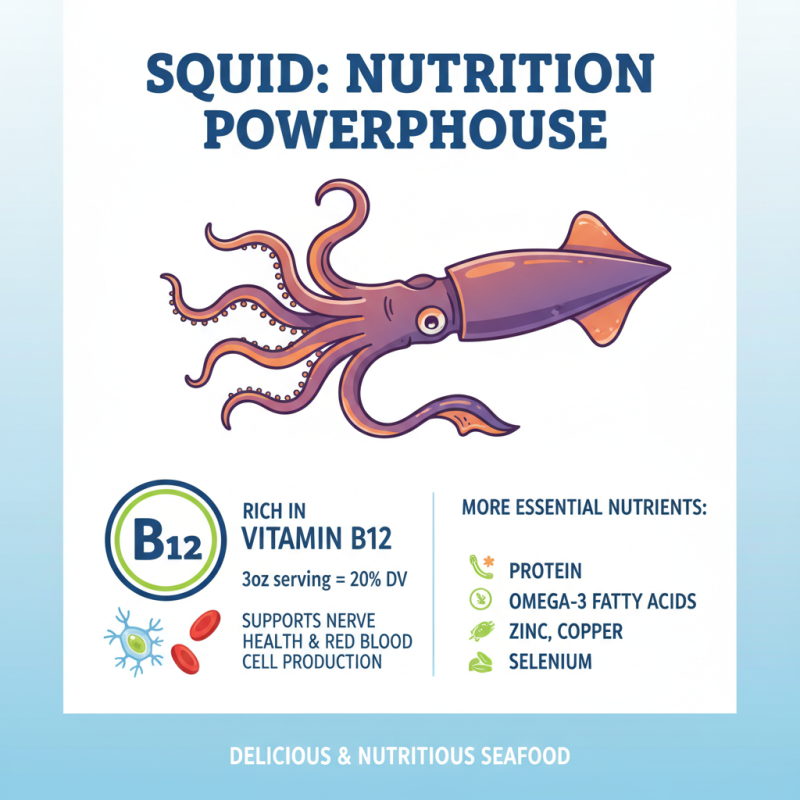
Squid is not just a delicious seafood option; it’s packed with essential vitamins and minerals. This cephalopod is rich in B vitamins, particularly B12. A 3-ounce serving provides about 20% of the daily recommended intake. This vitamin is key for maintaining nerve health and producing red blood cells.
Additionally, squid is a great source of minerals like selenium and phosphorus. Selenium plays a critical role in antioxidant defense. It has been linked to reduced oxidative stress in the body. On the other hand, phosphorus is vital for bone health and energy production.
Though squids are nutritious, portion size matters. Overconsumption can lead to excessive sodium intake, particularly with fried preparations. It's also essential to consider the environmental impact of squid harvesting. Not all sources are sustainable. Balancing your seafood choices is crucial for both health and the ecosystem.
Potential Antioxidant Properties of Squid and Their Health Implications
Squid seafood offers more than just a delicious taste. Recent studies highlight its potential antioxidant properties. Antioxidants are crucial for fighting free radicals in the body. These harmful molecules can lead to chronic diseases. Research suggests that squid contains compounds like taurine and selenium, known for their protective effects.
In a report by the Journal of Nutritional Science, squid was found to have significant antioxidant levels. These compounds can help reduce oxidative stress. They might also lower the risk of heart disease and cancer. Incorporating squid into your diet could provide a tasty way to boost your health. However, not all squid is created equal. The way it is prepared and cooked plays a role in retaining these beneficial properties. Overcooking can diminish its nutrient content.
Moreover, there is a concern regarding contamination. Squid can accumulate heavy metals from their environment. Regular testing is needed to ensure safety. Consumers should be mindful of sourcing and preparation methods. This can maximize the health benefits while minimizing risks. Balancing these factors is essential for making the most of squid’s nutritional advantages.